Tuesday, July 16, 2013

Severn Trent goes self-sufficient in renewable gas

An example of Malmberg’s double container COMPACT plant, which is used in the upgrading of biogas to biomethane through the ‘water washing process’.

Work will soon start on the largest fully commercial gas-to-grid plant to be built in the UK to date, which will purify sewage gas on behalf of Severn Trent Water.

When completed, it will process up to 1500m3 per hour of renewable biogas to a state at which it can be safely injected into the national gas grid and make the water company self-sufficient in gas.

Imtech Waste, Water and Energy (Imtech) has been awarded the contract, worth an estimated £6.4 million, by Severn Trent Water to construct the Minworth Gas-to-Grid plant. The project will run for 60 weeks.

This project has only been made financially viable following the recent introduction of the Government’s Renewable Heat Incentive scheme.

Its award has resulted in job creation at Imtech, with a number of new team members employed specifically for this high profile project, including project management, QS and engineering positions, as well as several general site staff jobs.

Commented Nick Small, operations manager at Imtech: “We are extremely pleased to have been awarded such a high profile contract, which represents a significant step change for the waste industry in the UK.

"Severn Trent is already the UK’s largest producer of electricity from sewage gas producing 192GWh in 2012/13, and with the help of Imtech this will enable Severn Trent to become totally self sufficient in gas demand."

The project represents another key milestone in the development of the Waste and Energy business at Imtech, after it recently began work on a prestigious contract to develop the Wakefield AD biogas plant with Shanks Waste Management. This is part of a wider agreed plan to reduce the landfill diversion rate of Wakefield district waste by 90%.

The production of grid-quality biogas from sewage is not without technical problems, but a partial solution to these has been found at Cranfield University, which, earlier this month, received an award for its research in this area.

The research was recognised by the Worshipful Company of Engineers for excellence in engineering that benefits the environment.

It was awarded for looking at the most effective methods for removing chemicals called siloxanes from the process. Siloxanes end up in sewage because they are widely used to soften, smooth, and moisten, in products such as shampoos and moisturisers.

But they do not decompose in the sewage system, and so find their way into the waste matter that remains following the sewage treatment process. They then turn into silicon dioxide, or sand, during the process of burning this waste for biogas and ‘green energy’, which can block engines and cause costly damage.

PhD student Caroline Hepburn, whose research is funded by Severn Trent Water, was presented with the Hawley Award and a cheque for £5,000 at the Worshipful Company of Engineers’ Annual Awards Dinner, on 9 July by Sir George Cox, Board Member of NYSE-Euronext and Director of Shorts, the aerospace company.

Pic from Imtech

An example of Malmberg’s double container COMPACT plant, which is used in the upgrading of biogas to biomethane through the ‘water washing process’.

New report plots way to zero carbon Britain

Tobi Kellner, Zero Carbon Britain's energy modeller, said:
Tobi Kellner, Zero Carbon Britain's energy modeller, said: "A lot of people say it can't be done but, actually, we looked into it, we did the research very thoroughly, and we say it is possible".
Leading environmental charity, the Centre for Alternative Technology (CAT), has released an update of its Zero Carbon Britain scenario called Rethinking the Future, in which it attempts to show that it's possible for the UK to decarbonise rapidly using the current level of technological development.

The Zero Carbon Britain modelling suggests that the variability of solar and wind energy sources can be accommodated by using carbon-neutral synthetic gas as a back-up, but achieving zero greenhouse gas emissions requires a shift in the nation's diet and transport habits.

The researchers claim that this will also be healthier and enhance biodiversity while cutting emissions from land use and agriculture, and that these proposed changes will generate over a million new jobs.

Speaking at the launch during the final sitting of the All Party Parliamentary Climate Change Group this morning, its chair, Joan Walley, said: “by setting out what a low carbon world would look like this report shows that the solutions to our problems do exist and all that is needed is the political will to implement them”.

Paul Allen, Project Co-ordinator, added that: “The fact that we can demonstrate that rapid decarbonisation is possible with current technology, and without significant lifestyle changes, should be a major call to action”.

Zero Carbon Britain: Rethinking the Future synthesises cutting-edge research across multiple disciplines to map a comprehensive and technically realistic scenario for the UK.

The model suggests a 60% cut in energy demand is feasible, with over half of the remaining annual energy supplied from the wind; the rest is produced from a suite of renewable resources suitable for the UK, including liquid fuels derived from biomass grown in the UK.

UK hourly weather data from the last ten years (87,648 hours) was used to model electricity demand and renewable energy supplies. Even though both demand and supply are highly variable, over the ten years modelled, electricity demand is satisfied directly over 80% of the time.

The rest of the time, back-up generation can be provided using surplus electricity and biomass from UK grown second-generation energy crops to produce carbon neutral synthetic gas, which can then be burned as and when necessary in gas power stations. The flexibility of this back-up generation is considered to be important, since making baseload power available only leads to a costly overproduction of energy at times when demand is already met.

In the modelling, this back-up provides only 3% of the total annual electricity required by the UK, but is crucial to ‘keep the lights on’ at all times.

On agriculture and diet, the report finds that "By reducing the amount and altering the balance of foods we eat to be in line with UK government health recommendations (fewer foods high in saturated fats, sugar, and salt (HFSS foods), and decreasing meat and dairy consumption, and by reducing food waste, greenhouse gas emissions from agriculture can be cut by almost 75%", reducing the amount of agricultural land required.

Alice Hooker-Stroud, Research Co-ordinator, said: "The fact that a healthy diet is also lower in greenhouse gas emissions, and uses less land is a win-win-win situation that should be supported throughout society".

Paul Allen, also director of the Centre for Alternative Technology, told me that current energy policy doesn't account for the external costs of burning fossil fuels.

"We must also bear in mind that 'business as usual' has not calculated the cost of taking [World average temperatures] above 2 degrees [the value agreed by 200 nations at climate change talks to be dangerous]. The adaptation costs would be very high indeed, also we would have to deal with higher global temperatures under conditions of post peak oil prices," he said.

When asked whether the proposed developments had been costed out, he said this would be the subject of the next round of research, using data generated by the New Economics Foundation. "But as an approximation, we are confident that if fossil fuel energy embraces all the costs currently externalised by the market systems, and if we include the economies of scale, ZCB will prove an effective investment, especially as, once the systems are in place, the energy supply costs are not volatile like oil and gas."

He continued: "A lot of Britain's energy infrastructure is coming to the end of its design life. We need to replace it and we do not want to lock ourselves into the wrong energy path. Now is the time to have that critical debate about what are our energy sources and the means of using energy that we will need for the 21st Century."

Regarding the modelling used, he added that "The purpose of this iteration has really been to answer the question "what happens if the UK is becalmed at minus 17 degrees under peak load" So we have vastly increased the detail in the energy model to be able to answer this question fully. We have used 10 years of hourly real meteorological data to model shits in demand and we have scaled up real output from offshore wind farms, again driven by the same data."

Picture from Zero Carbon Britain

Monday, July 15, 2013

Investment funds divested from fossil fuels "will perform better"

Lord Nicholas Stern
The author of the influential Stern Review on the Economics of Climate Change is also calling for Europe to decarbonise the power sector by the 2030s.
Research by leading investment and asset management firm has shown that fund managers divesting fossil fuels from their portfolios, and replacing them with an actively managed portfolio of renewable energy and energy efficiency stocks, will reduce risk and achieve positive financial benefits.

The conclusion will support a call issued last Friday by Lord Nicholas Stern for Europe to "re-ignite growth by investing in the transition to a low carbon economy".

The author of the influential Stern Review on the Economics of Climate Change, said in his statement that "low-carbon growth is the only credible medium-term growth strategy" and called for a European goal of decarbonising the power sector by the 2030s.

Pressure is building on institutional investors to assess their exposure to companies that extract fossil fuels, as concerns rise about the likely effects on the climate from greenhouse gas emissions.

In parallel, financial analysts are increasingly warning investors of the risks that tighter regulations on carbon dioxide emissions and falling demand for fossil fuels could make fossil fuel reserves substantially less valuable, or even ‘stranded’, and ultimately rendered worthless.

Impax Asset Management, which won the Sustainable Investor of the Year accolade at the FT/IFC Sustainable Finance Awards last month, has assessed the relative performance over the last seven years, in terms of returns and volatility, of four alternative portfolio structures.

Its analysis of the historical data found that, over the past seven years, eliminating the fossil fuel sector from a global benchmark index would actually have had a small positive return effect.

Furthermore, much of the economic effect of excluding fossil fuel stocks could have been replicated with ‘fossil free’ energy portfolios consisting of energy efficiency and renewable energy stocks, with limited additional tracking error and improved returns.

The four alternative scenarios were:

a completely fossil free portfolio: based on the MSCI (formerly Morgan Stanley Capital International) World Index without the fossil fuel energy sector;

fossil free plus alternative energy 'passive' portfolio: replacing the fossil fuel stocks of the MSCI World Index with a passive allocation to renewable energy and energy efficiency stocks;

fossil free plus alternative energy 'active' portfolio: as [2] but actively managing the portfolio;

fossil free plus environmental opportunities 'active' portfolio: as [2] but actively managing a portfolio of stocks selected from a wider range of resource optimisation and environmental investment opportunities.

The best performing alternative was [3]. As a result, the company believes that investors should consider reorienting their portfolios towards low carbon energy by replacing fossil fuel stocks with energy efficiency and renewable energy investments.

The announcement follows news last week of two more financial institutions, Storebrand and Rabobank, divesting from fossil fuels.

Awarding the Sustainable Investor of the Year to Impax in June, Martin Dickson, US Managing Editor of the Financial Times and co-chair of the Sustainable Finance Awards judging panel, said: “The world faces not only persistent economic uncertainty but also unparalleled resource constraints that are putting pressure on social systems across both developed and emerging markets. This situation makes sustainable investment, and these awards, even more relevant.”

Managers of college endowments and municipal and state pension funds are increasingly finding themselves the target of fossil fuel divestment campaigns from within US universities, similar to the calls for divestment of stocks of companies that supported apartheid in the 1980s.

The Fossil Free campaign maintains that it is “morally wrong to profit by investing in companies that are causing the climate crisis”.

Independently, mainstream analysts are now building on research from the Carbon Tracker Initiative, which has warned that regulations to limit carbon emissions could significantly impact the market value of fossil energy companies as it becomes uneconomic to extract their reserves.

It calculates that 80% of the world’s proven fossil fuel reserves cannot be consumed without exceeding the international target to keep global warming to within 2°C above pre-industrial levels, implying that the world’s listed fossil fuel companies, whose share prices are partly based on their proven reserves, are grossly overvalued.

These mainstream analysts include:

HSBC, whose oil and gas analysts warned that European energy companies could see their market capitalisation fall 40-60% if oil prices drop to $50/barrel, as a consequence of climate policies commensurate with the 2°C goal;

Citi, which examined the value at risk from climate policies among Australian extractive companies within the ASX200 index;

Standard & Poor’s, which predicted that smaller oil companies, especially those heavily exposed to high-cost unconventional oil production, could face credit downgrades within a few years under its ‘stressed’ carbon reduction scenario;

and Aviva Investors, Bunge, Climate Change Capital and HSBC, which are funding research at Oxford University’s Smith School of Enterprise & Environment into risks posed to investors by high-carbon stranded assets.

The Impax report concludes: "Given the growing consensus around climate change science, it is rational for investors to expect much tighter carbon regulation, with profound economic effects, in many regions of the world. These regulations ... are only moving in one direction: towards a lower carbon world."

Picture from Wikimedia
caption: The author of the influential Stern Review on the Economics of Climate Change is also calling for Europe to decarbonise the power sector by the 2030s.

Friday, July 12, 2013

Energy storage: the next growth market in US and Europe

Energy storage is the currently missing link that will enable the intermittent renewable energy sources like wind and solar to play a much greater part in the future grid mix.

Now that more homes and businesses are installing photovoltaic systems, a new trend for combining these with battery backup is emerging.

Previously, battery storage systems were only thought necessary with solar PV and wind in stand-alone systems, separate from any grid connection, but as the grid supports more and more PV and wind systems, which can supply power only at certain times, the need for storage backup is becoming more apparent.

For large commercial installations this is especially attractive because, although they may have negotiated contracts with utilities that bring down their overall electricity rates, the fees that they are charged for the times when they do draw power, which can be based on their highest peak energy use during a month, have been rising as much as 10-12% per year.

According to Marcus Elsässer and other executives attending the Intersolar North America 2013 trade show held over the last three days, large commercial electricity users can reduce their peak demand and lower their demand charges by installing a storage system alongside a PV system.

Last month California set a proposed 2020 procurement target of 1.3GW of battery storage for network operators.

In Germany, grants from a scheme with a total value of €25 million are being offered to offer storage to existing solar installations.

Last month's Intersolar Europe trade show consequently saw over 200 exhibitors, including major brands, presenting their storage and smart grid solutions.

There, energy storage systems had their own dedicated section for the first time in any global energy trade fair. This particular show, the largest in the world for the solar industry, was attended by over 50,000 visitors from 47 different countries.

Energy storage plus PV was a key topic, with reference to many different types of storage, not just batteries, including flywheels, capacitors, heat storage and compressed air.

The German support scheme is managed by the state KfW Group bank, which provides a 600€/KW grant for new PV systems and 660€/KW grant for older systems. To receive support, systems must be in Germany, have a duration of at least five years, and no more than 60% of the installed power can be fed to the grid.

According to ">Ash Sharma of IMS Research, by 2017 the storage market is projected to be worth $19 billion, mainly due to the German scheme being taken up by residential system owners and operators of small systems up to 10 kWp.

As a whole, photovoltaic storage installations will, on average, he says, grow by over 100% for the next five years, up to nearly 7GW, rising to 40GW of battery systems by 2033.

Will this catch on here? The UK Department of Energy and Climate Change (DECC) is currently reviewing energy storage demonstrator proposals entered into a £17 million procurement competition.

There is a wide variety of entrants including some seemingly bizarre technologies: hybrid batteries to grid, smart energy storage, a radical proposal for using surplus energy to lift heavy aggregates that would be allowed to descend and generate energy at times of peak demand, flywheels, the use of electric vehicles for storage, liquid air, the conversion of surplus electricity into methane, cryogenic liquid nitrogen energy storage, and industrial scale lithium ion batteries.

A further potential winner under this scheme is Moixa Technology, an EU pioneer of smart direct current (DC) technologies, which has submitted a bid to install Maslow storage technology across 750 homes.

It works by shifting DC (direct current) loads from lighting, communications and electronic devices, to batteries during low tariff times, charged using local renewable sources such as solar PV, or at times of excess, wind power.

Simon Daniel, the CEO of Moixa, commented on the need for storage: “Just this week, the volatility of solar and wind resources created negative electricity prices and renewable curtailment in parts of Europe".

He says British distribution network operators face similar issues, especially at times of high sunshine, as now, or high winds. Daniel says that without using energy storage "considerable infrastructure upgrade costs, to reduce voltage issues caused by rising solar PV adoption" could result "which could otherwise lead to local blackouts or lost renewable revenue”.

He continued: “We’ve estimated that by using Maslow distributed energy storage systems with local solar PV, excess wind supply and low overnight energy prices, energy bills could be reduced by up to 30%, and keep essential consumer devices online if the grid fails”.

According to Anthony Price, director of the Electricity Storage Network, Britain should aim for an energy storage target of 2020MW (2.02GW) by 2020.

Speaking at the recent energy storage conference organised by the Institution of Mechanical Engineers, he said: “Meeting Britain’s power requirements requires energy storage as well as generating capacity. The expected shortfall in reliable generating capacity has been caused, in part, by a lack of commitment to a balanced portfolio of generation, storage and network investment.

"Adding more electricity storage into the power system will bring real long term benefits."

Sounds like a good bet for investors to me.

Renewable Heat Incentive launch set for next Spring

Solar thermal is one of the most affordable renewable technologies and the Solar Trade Association is looking forward to boom time.
Details of the domestic Renewable Heat Incentive (RHI) and related tariff levels have been announced by the Department of Energy and Climate Change (DECC), but anticipated news about the future of the non-domestic RHI has been postponed.

The domestic RHI will launch next Spring. As has always been promised, anyone who has installed a system since 15 July 2009 can claim retrospectively, as long as they meet the Microgeneration Certification Scheme (MCS) standards that applied at the time of installation.

DECC has confirmed the tariff levels for all four eligible technologies. These will be:
  • Flat plate and evacuated tube solar thermal panels: at least 19.2p/kWh

  • Ground (and water) source heat pumps: 18.8p/kWh

  • Air to water heat pumps : 7.3p/kWh

  • Biomass-only boilers and biomass pellet stoves with back boilers: 12.2p/kWh.
Payments will be made on a quarterly basis over a period of seven years. Householders who have already received vouchers under the Renewable Heat Premium Payment scheme will be transferred to the RHI and have their value deducted from their RHI payments.

Applicants will need to complete a Green Deal assessment to reduce their energy demand to a certain level in order to qualify for the payments.

Private landlords and providers of social housing will be able to apply for a property or properties that they own (provided they own the heating system). The landlord will receive the RHI payments.

For Local Authorities who use Arm’s Length Managed Organisations (ALMOs) to manage their properties, the application must come from the owner of the heating system.

New build properties will not be eligible for the scheme. The Renewable Energy Association said this "reinforces the need for the government to set demanding carbon compliance standards in the 2013 revision of the Building Regulations Part L, due for imminent release by DCLG".

People will not be able to claim for more than one space heating renewable heating system in the same property, with the exception of installations of solar thermal and another eligible technology.

Climate change minister, Greg Barker, said: “Investing for the long term in new renewable heat technologies will mean cleaner energy and cheaper bills. So this package of measures is a big step forward in our drive to get innovative renewable heating kit in our homes.

“Householders can now invest in a range of exciting heating technologies knowing how much the tariff will be for different renewable heat technologies and benefit from the clean green heat produced. We are also sending a clear signal to industry that the coalition is 110% committed to boosting and sustaining growth in this sector.”

DECC gives an example of what an installer might receive, in the case of a biomass boiler which might cost, say, £8,000 to install. In a year, the estimated heat use could be around 15,000kWh, which, at a 12.2p/kWh tariff, would result in a payment of £1,830. This would mean it might pay for itself in around five years.

New installations of biomass systems will need to meet air quality standards in relation to particulate matter (PM) and oxides of nitrogen (NOx).

Ofgem will be responsible for administering the scheme when it launches.

The RHI is funded directly from Government spending and has been given annual budgets. There are worries that, as with the payments for Feed-in Tarriff PV systems, they might unexpectedly decrease in the future. DECC will make an announcement on this around the time of the launch.

The news was welcomed by trade body the Heating & Hotwater Industry Council, whose director, Roger Webb, said: “it gives the industry confidence to invest in renewable heating products helping to protect and create jobs. We would of course like the tariffs to be higher but we understand the difficulty of introducing a government funded scheme in the current economic climate," he added.

"We will also be urging DECC to monitor uptake and if necessary to increase tariffs if they are not driving up product sales.”

Stuart Elmes, Chair of the Solar Trade Association's solar thermal working group, called the announcement “a massive boost for the solar thermal market. The value of this incentive is on a whole new level, there’s nothing like it anywhere in the world. From now on people can install solar heating with confidence that their system will be able to join the RHI scheme, and knowing what their payments will be worth.”

Solar thermal is one of the most affordable renewable technologies for homeowners, with a typical system costing around £4,500. This includes the replacement of an old hot water cylinder with a well-insulated solar cylinder.

Solar thermal systems are relatively small and appropriate for partially shaded roofs or those with limited space. A typical system will provide over half the hot water needs of the average home.

Paul Barwell, Chief Executive of the STA, said: “This announcement today is a major success for the STA. Our team has worked very closely with DECC over an extended period in an effort to ensure that the benefits of solar thermal are adequately recognised in the domestic RHI.

"In particular we have helped to drive a deeming calculation based on true occupancy that better reflects hot water usage in the home. The exceptional technical expertise of Stuart Elmes has been invaluable to our efforts.”

Ground source heat pump manufacturer Kensa's Managing Director, and Chairman of the Ground Source Heat Pump Association, Simon Lomax, said that the "Domestic RHI announcement made today, three and a half years after the initial consultation, is disappointingly short on detail."

Tim Minett, chief executive of CPL Industries, a supplier of biomass systems and wood pellet distributor, said he was “surprised the Government is offering more for other technologies but still expect biomass systems will be the most popular by far.

"They are the easiest to retrofit to properties, simple to use and work in all weather conditions – a big factor in the UK – while 12.2p/kWh will cover the cost of installation, lower people’s fuel bills and provide regular income for years to come. What’s not to like about that? “The domestic RHI should be hugely popular as a fifth of the UK’s housing stock is not connected to the gas grid," but he added, "the chief stumbling block is lack of awareness among the public so what we desperately need now is for the Government to step up and promote the scheme vigorously.”

Brian Smithers, European Director, Rexel, agreed, adding: "it is also in the industry’s interest to drive awareness by educating consumers".

Non-domestic RHI decision postponement

At the same time as making the announcement about the domestic RHI, the Government said it was delaying a decision on expanding the non-domestic RHI scheme, which has been operating for over two years, until the autumn, a full year after the proposals were originally released in September 2012.

Industry response was to express disappointment. The Combined Heat and Power Association said the continuing lack of clarity and certainty is "unhelpful for the hundreds of millions of pounds of renewable heat projects currently under development".

Last year the CHP industry welcomed the proposals to expand the RHI scheme to include tailored support for heat produced from biomass and bioliquid CHP. The proposals highlighted recognition within Government that biomass CHP is the most optimal use for limited biomass resources.

Dr Tim Rotheray, Head of Policy and Communications at the CHPA said: "It is absolutely crucial that the Government now provide clarity and certainty. The Government’s proposals for a CHP-specific rate under the RHI is driving renewable heat projects around the country, and a clear, quick decision will help lock in these investments, lock in the jobs these investments will provide, and lock in our ability to meet our renewable heat targets with highly efficient renewable CHP.”

He did, however, welcome the boost to investor confidence given by the Government's decision, also just announced, to grandfather existing renewable CHP schemes from changes to its quality assurance programme.

The biofuel-industry trade body, the Renewable Energy Association, called the delay "disappointing", but welcomed the announcement on the domestic RHI.

The same response came from the Anaerobic Digestion and Biogas Association's chief executive, Charlotte Morton, who called it "very disappointing for AD developers and operators. Making good use of heat from AD plants makes sense for operators, and will help the government deliver renewable energy targets," she added.

"The (non-domestic) RHI is currently well below its projected budget and another delay will simply make it harder for our members to deliver the projects government wants to see.

"DECC could help resolve this by giving developers clarity over the eligibility date, which would allow projects to start generating and using renewable heat if they have commissioned their plant within a set period," she concluded.


Thursday, July 11, 2013

Large companies to be forced to implement energy efficiency

Shadow Chancellor Ed Balls
Shadow Chancellor Ed Balls last night criticised the Government for not doing enough to promote energy efficiency.
Proposals for an Energy Savings Opportunity Scheme (ESOS) have been published by the Government that will make it compulsory for large companies to undertake energy audits.

The aim is to enable companies to identify opportunities for saving on their energy bills through improved energy efficiency. The Department for Energy and Climate Change (DECC) estimates that up to £1.9 billion could be saved.

The proposals form part of the Government's implementation of the EU Energy Efficiency Directive, under which large enterprises have to identify cost-effective ways to invest in energy efficiency. These ESOS assessments will be carried out by approved assessors.

The proposed scheme would apply to all large enterprises in the UK, including charities and any other UK organisations outside the public sector, if sufficiently large. Small and medium enterprises (SMEs) will not be required to participate, unless they are part of a large corporate group enterprise, but could do so on a voluntary basis.

An ESOS assessment would undertake a review of the total energy use and energy efficiency of the organisation, including the measurement of an energy intensity ratio (e.g. energy use per employee or per unit of output) and, as appropriate, considering the variation in energy use over time within key buildings, key industrial operations, and key transport activities (exempting de minimis energy use).

The review would need to be proportionate and sufficiently representative “to permit the drawing of a reliable picture of overall energy performance” of the organisation and present clear information on potential savings, which identify and quantify cost-effective energy savings opportunities.

These should be, wherever practical, based on life cycle assessments (LCA) instead of simple payback periods (SPP), as the former are more realistic.

All procedures for doing this are outlined under the international standard for energy management, ISO 50001, with which all energy and facility managers are encouraged to become competent.

The Government has come under sustained criticism recently for failing to do enough to promote energy efficiency.

Last night, speaking at a Green Alliance event, promoting their report, which said that £180 billion of new infrastructure is at risk without political leadership, the Shadow Chancellor, Ed Balls, promised that Labour, if elected, would set a decarbonisation target and do more to promote energy efficiency.

He attacked the Chancellor George Osborne for “scaring away” green investment in infrastructure and energy efficiency.

He said that on energy efficiency the government had “failed to deliver. The construction industry is crying out for clarity on the next steps in Labour’s successful zero-carbon homes strategy. The Green Deal, which replaced previous successful domestic energy efficiency schemes, has so far helped just four households this year".

He added: "We will also put an end to the mixed signals that are causing confusion and deterring investment by posing a false choice between gas and renewable energy. We support efforts to secure new domestic gas supply, although there are real environmental concerns that must be addressed. We will need a secure gas supply in the decades ahead.

"But while 'fracking' has had a major impact on energy prices in the US, most experts believe any impact in Europe is uncertain at best. Any balanced and low-carbon energy strategy for the years ahead will need gas, renewable energy and, in our view, nuclear too," he concluded.

DECC's consultation will close on 3 October 2013.


Shadow Chancellor Ed Balls last night criticised the Government for not doing enough to promote energy efficiency.

€22 billion EC R&D package to support low carbon industries

Máire Geoghegan-Quinn, European Commissioner for Research, Innovation and Science
Máire Geoghegan-Quinn, European Commissioner for Research, Innovation and Science, said that the partnerships will underpin growth and jobs in key sectors of a knowledge-based European economy.
The European Commission has announced a €22 billion Innovation Investment Package for sectors including fuel cells and hydrogen, biofuels and cleaner, quieter aircraft.

In total, more than half of the money will go to low carbon industries.

The programme intends that over the next seven years, the EU's contribution of €8 billion will mobilise €10 billion from the private sector and close to €4 billion from Member States.

It will be accomplished through the establishment of a series of public-private partnerships under the

These are in form of Joint Technology Initiatives (JTIs) between the EU and industry to provide vital funding for large-scale, longer-term and high risk/reward research.

They set out commitments, including financial commitments, and address strategic technologies that will underpin growth and jobs in key sectors of a knowledge-based European economy. Over four million Europeans are currently employed in these sectors.

The initiative will help make Europe a more attractive location for international companies to invest and innovation and contribute to meeting many EU objectives, including 3% of GDP invested in R&D and 20% of GDP coming from manufacturing by 2020.

Máire Geoghegan-Quinn, European Commissioner for Research, Innovation and Science, said at a press conference that many of the EU's competitors are investing faster and they are thinking big. "There need to bolster both public and private spending if we are to stay in, never mind ahead of the game," she said.

Most of the investment will come through five JTIs:
  1. Clean Sky 2 (CS2): to develop cleaner, quieter aircraft with significantly less CO2 emissions;

  2. Innovative Medicines 2 (IMI2): to develop next generation vaccines, medicines and treatments, such as new antibiotics;

  3. Fuel Cells and Hydrogen 2 (FCH2): to expand the use of clean and efficient technologies in transport, industry and energy;

  4. Bio-based Industries (BBI): to use renewable natural resources and innovative technologies for greener everyday products;

  5. Electronics (ECSEL): to boost Europe’s electronics manufacturing capabilities.
The Commission is also proposing to extend the SESAR (Single European Sky ATM Research), which aims to modernise Air Traffic Management in Europe.

The public-private partnership of the Biobased Industries Consortium (BIC), a cross-sector group of 48 large and small companies, is worth €3.8 billion; it will accelerate the deployment of biobased products in Europe by 2020.

"This is a unique partnership that places sustainability at the heart of all economic, social and industrial activities," said Berry Wiersum, chief executive of Sappi, a global paper company. "It is about realising the untapped potential of biomass and waste, to deliver sustainable growth in Europe."

Guy Talbourdet, chief executive of Roquette Frères, said that BIC comes at a critical time for European development of the bioeconomy. "It will accelerate the market entry of new biobased products 'made in Europe' in the so-called biorefineries. The use of locally grown biomass will not only enable growth and jobs in rural areas across European regions, but it will also reduce the EU's reliance on fossil or proteins imports."

The Proposal for a Council Regulation on the Fuel Cells and Hydrogen 2 Joint Undertaking will expand the use of clean and efficient technologies in transport, industry and energy and improve energy security in Europe.

NEW-IG (New Energy World Industry Grouping), the leading European industrial association, that represents much of Europe’s hydrogen and fuel cell industry, acknowledged that some 150 projects and over 430 industry and research organisations have already won support under the current programme.

This will now be continued under the new proposals, which will step up activities with a €1.4 billion budget until 2020. Pierre-Etienne Franc, Chairman of the Board of NEW-IG called the announcement “a sign that Europe will strive to establish this technology as a key enabler for its future energy and transport roadmap. Joint priority setting and a long term perspective are key to enabling private investment in such complex, societal challenges.”

Màire Geoghegan-Quinn added: "Thanks to the current Fuel Cells and Hydrogen partnership, you can take a ride on hydrogen-powered pollution-free buses in five cities across Europe.

"But much research and development is still needed to make this application of FCH technology widespread and those for clean energy production and storage commercially attractive. The EU and industry will continue to work together under this new initiative to help reduce the carbon footprint of our energy and transport sectors."

Henri Winand, CEO of Intelligent Energy, observed, “This public-private partnership is testament to the very real possibilities of hydrogen as an important energy vector for more sustainable and competitive energy systems.”

The Commission's proposals are expected to be finalised and approved by the European Parliament by the beginning of 2014.

Fierce lobbying on biofuels criteria as EU cap passed

The bête noire of the bioethanol and biodiesel industry, Timothy Searchinger, argues that their use increases world hunger.
MEPs voted 43-26 in favour of a 5.5% cap on European support for biofuels, as new research showed that growing fuel crops in place of food creates more hunger and deforestation.

Today’s vote was on whether to endorse a strict cap on crop-based biofuels, to curb emissions from ‘indirect land use change’ (ILUC) caused by, for example, the clearing of forest to grow palms for oil.

Lobbying is fierce on all sides of the argument, as parts of the biofuels industry that have invested billions in securing first and second generation biofuel sources, now found to be harmful, fight to preserve the status quo. But other parts are in favour of the move and want it tightening further.

On the side against the cap are MPs in Humberside and East Yorkshire, where some of these companies are based, who are backing a campaign by the biofuel industry trade organisation, the Renewable Energy Association (REA).

REA's Head of Renewable Transport, Clare Wenner, argued: “If it was mandatory for all land-using industries to account for emissions from the direct conversion of land from one use to another, as the biofuels industry does already, then there would be no such thing as indirect land use change."

But new research throws up an additional problem: when agricultural land that has been used to grow food is converted to biofuels, food prices will go up causing some people to go hungry unless previously uncultivated land is made productive.

The research, by Princeton University researcher Timothy Searchinger (known as ‘the godfather of ILUC’), says, in his words: "Biofuels have almost doubled the rate of growth in demand for food, and the system is having a hard time keeping up. If demand growth stopped, prices would come down as farmers caught up, although their efforts to catch up will cause more land use change."

His latest analysis, produced with the help of the EU’s Joint Research Centre, of a report by the International Food Policy Research Institute (IFPRI), found that of every 100 calories from wheat or maize diverted to food tanks by bioethanol production, 25 calories were not replaced.

The European Renewable Ethanol Association, is also against the cap. “I wouldn’t expect anything good to come out of Searchinger,” said Rob Vierhout, its secretary-general. “Whatever he says, he is biased. He is not even a scientist. He is a lawyer and could defend any position you want him to.”

In a previous life, Searchinger was an attorney for the Environmental Defence Fund, and wrote a prize-winning book on wetlands that led work to protect the Everglades and Mississippi river.

Another lobby group, composed of the Chief Executive Officers of leading European biofuel producers and European airlines, called 'The Leaders of Sustainable Biofuels', is in favour of the cap and wants to ensure the market uptake of advanced sustainable biofuels by all transport sectors.

It issued a statement supporting EU policy to gradually phase in less harmful third generation biofuels and supporting the ILUC principle.

But it foresees a further threat lurking in a proposed extended list of feedstock that would be eligible for support as advanced biofuels, namely the use of animal fats and used cooking oil, palm oil residue/waste and any other food feedstock waste.

It says that were used palm oil to be supported in this way, it would be "absurd and counter-productive to the objectives of this legislation".

The long list of feedstock eligible for advanced biofuels, prepared by the EU Committee on Industry, Research and Energy (ITRE), includes a number of disputable raw materials which should, this group says, therefore be excluded from the definition because it would once more "open the door to unsustainable biofuels production from food and feed crops".

Looking forward, 2020 marks the deadline for 10% of EU's transport fuels to be sourced from renewable energies. Before then, by 1 July 2014, all new biofuels installations must meet a 60% greenhouse gas saving threshold and, by 1 December 2017, all biofuels installations in operation before 1 July 2014 must meet a greenhouse gas saving threshold of 35% and 50% a year later.

By the end of 2017, the Commission will submit a review of policy and best scientific evidence on ILUC to the European Parliament and Council.

After 2020, the European Commission will not support further subsidies to biofuels unless they can demonstrate "substantial greenhouse gas savings".

Wednesday, July 10, 2013

15,000 jobs at risk as official support for offshore wind wavers

The launch of the London Array last week saw David Cameron praising offshore wind: but will it deliver British jobs?
Britain is not making the most of its opportunity to become the ‘Saudi Arabia of offshore wind’, according to a new report from the think tank IPPR, putting up to 15,000 jobs at risk.

The report, entitled Pump Up The Volume, says the British Isles have ideal building conditions for offshore wind, with large areas of sovereign seabed in shallow waters and close to shore.

However, it warns that the Government is not making sufficient effort to bring down costs and secure British jobs.

Offshore wind is currently more expensive than unabated gas, onshore wind or nuclear. By 2020, the cost is expected to have fallen rapidly, but it will still be more expensive than those three technologies.

Only a small proportion of offshore wind farm components are built in the UK, varying from 10% for London Array Offshore wind farm, opened last week by David Cameron, 20% for Thanet Offshore wind farm, 48% for E.ON’s Scroby Sands development, 50% for Vattenfall’s Ormonde project and 32% for E.ON’s Robin Rigg development.

These figures do not include operational and maintenance costs, which are inherently local in nature and accumulate over the lifetime of a wind farm.

IPPR argues that the levels of British workers' contributions to offshore wind will need to increase in order to realise the economic benefits of the sector in terms of jobs and growth and to maintain political commitment.

Vince Cable's business department consulted earlier this year on the feasibility of achieving the Offshore Wind Developers Forum’s vision of 50% local content.

Observing that the Government has backtracked on its ambition to secure 18GW offshore wind by 2020 and expects instead just 4.4GW to come online between 2020 and 2030, the report points out that up to 15,000 jobs could consequently be lost that would otherwise have been created.

“The UK's current policy trajectory could see it achieving a ‘worst of all worlds’ outcome: low volume, low jobs, and high costs," said Will Straw, Associate Director at IPPR, launching the report.

Pointing out that there are cost reductions to be obtained from working at scale, he added: "Unless Britain 'pumps up the volume' there is little prospect of either bringing down the costs of offshore wind or creating domestic jobs. An alternative pathway is possible, if the Government can bring together an industrial strategy for the sector predicated on a combination of ‘carrots and sticks’".

He also reiterated the need for a 2030 decarbonisation target, which would give the industry "the long-term clarity that it needs, and which has been provided in other countries".

Instead, he said, "developers must be expected to drive down costs with a subsidy regime that reduces the strike price over time".

He also added that "developers and suppliers should do more to provide apprenticeships and sponsor university and FE courses” to meet the skills gap.

The report recommends that in order to build a strong domestic offshore wind supply chain, the Government needs to attract at least two turbine manufacturers, preferably more, to build factories. This "would be a major boost, as these companies are able to attract a cluster of other companies further down the supply chain (as is the case in Denmark)".

It must also, the report argues, continue to support and build upon the country's existing strengths in the supply chain, building on its expertise in both the onshore wind and the North Sea oil and gas industry, and should support export opportunities for British firms. A new EU renewables target would help create export markets to 2030.

On the issue of reduced ambition for offshore wind, DECC clearly stated in the 2011 UK Renewable Energy Roadmap that "up to 18GW of offshore wind could be deployed by 2020 ... with over 40GW possible by 2030".

In June of this year, however, they appeared to change their ambition by announcing that the subsidy regime would allow for just 8–16GW by 2020.

DECC’s ‘central scenario’, published last October, sets out a much less ambitious path, leading to just 11.5GW by 2020 and 16GW by 2030.

The government's watchdog, the Committee on Climate Change, believes that this latter scenario "would imply unacceptable costs and risks of achieving the 2050 [decarbonisation] target".

Both developers and suppliers are concerned. The industry argues that several ports need to be upgraded to provide construction and assembly facilities for the supply chain, but the port owners will not do so unless they are given government reassurances.

Meanwhile, in relation to the grid, the lack of a costing of risk allocation between the developers and the transmission operators could result in offshore wind being more expensive than it needs to be.

DECC has not yet responded to the report.

Consultation opens on world’s first tidal lagoon

A detail from the 3-D flythrough designed to show what the lagoon will look like.
Public consultation has opened on the world’s first purpose-built tidal lagoon in Swansea Bay.

Public exhibitions are taking place at 18 locations around the Swansea Bay area from 4 July to 5 August.

The proposed tidal lagoon will have a rated capacity of 240MW, generating 400GWh net annual output, or enough electricity for approximately 121,000 homes, representing 70% of Swansea Bay’s annual domestic electricity use (Swansea, Neath & Port Talbot, 173k households); or about 9% of Wales’ annual domestic electricity use (based on 1,369k households).

The £650 million development will also host visitor facilities and other amenities including art, education, mariculture and sporting/recreational facilities.

The seawall is expected to be open to the public during daylight hours, though access will be controlled in extreme weather.

As part of the formal consultation for the proposed Development Consent Order (DCO) application by Tidal Lagoon (Swansea Bay) plc (TLSB), a new, virtual 3D programme has been prepared, which shows the lagoon in the context of Swansea Bay using an interactive fly-through.

Head of Planning for TLSB, Alex Herbert says: "This tool will help people to experience and understand the lagoon proposals as accurately as possible, so their feedback can help us to develop a truly world-class facility. All feedback from consultation will be taken into account as we move towards making a planning application later this year.”

Alister Kratt, Partner of LDA Design, said: “As the project develops, the opportunities that the masterplan provides should secure significant benefits for Swansea, including the completion of an attractive marine park which extends into the bay.”

As the project is an offshore electricity generating station of more than 100MW, it is considered to be a Nationally Significant Infrastructure Project (NSIP) under the Planning Act 2008, and so requires that a DCO is first granted by the Secretary of State for Energy and Climate Change via an application to the Planning Inspectorate (PINS).

Because it is located in Welsh coastal waters, it also requires a marine license to be granted via an application to the Marine Licensing Team of Natural Resources Wales (NRW) on behalf of the Welsh Government.

Additional consents may also be required from City & County of Swansea Council (CCSC) or Neath Port Talbot County Borough Council (NPTCBC) for elements of the Project which sit outside the NSIP and DCO.

How the plant will work

In order to control the flow of seawater to generate electricity, the Tidal Lagoon will be built by forming a 9.5km-long, U-shaped seawall running from Swansea Port out to sea before curving back to re-join land adjacent to Swansea University’s new Science and Innovation Campus (SAIC).

The seawall will have a sediment core held in place by a casing of sediment-filled geotextile tubes, known as Geotubes®.

The outside of the structure will be covered in rock armour of various sizes, depending on its level of exposure. The sand used to form the walls will be taken from within the lagoon footprint.

Rock armour will then be brought in by sea to provide protection. The top of the seawall will have an access road which will be used for operation and maintenance of the lagoon as well as for visitors.

In the south-western part of the seawall there will be a turbine/sluice gate housing structure. The housing structure will contain between 16 and 22 hydro turbines, which will be permanently underwater.

These turbines (which will be 7m-8m in diameter) will generate electricity on both the flood (in-coming) and ebb (out-going) tides. There will also be around 10 sluice gates, which will be underwater and able to let seawater in and out of the lagoon without going through the turbines, as required.

To generate electricity, as the sea starts to rise (flood tide) from low tide level, water is prevented from entering the lagoon for an average of 2 hours 5 minutes, and this creates a difference in water levels, known as ‘head’.

Once sufficient head has been reached, the water is allowed to flow into the lagoon through the turbines, turning the runner (which is shaped like a propeller) and generating electricity.

This process is repeated on the ebb tide, where the water is prevented from leaving the lagoon until there is sufficient head to start the process again.

Towards the end of the ebb or flood tide the sluice gates will be opened. This is to empty or fill the lagoon as quickly as possible before low or high tide level.

By doing this, it ensures that the lagoon water level is as close to the outside sea level as possible, before the tide starts to rise or fall again.

This is to maximise electricity generation and to keep the intertidal area as close as possible to that occurring naturally outside the lagoon.

An option to pump the seawater at the end of the tide is also being looked at to further equalise seawater levels.

This generation sequence will happen four times a day in total. The electricity generated from the lagoon will be transported to the nearest National Grid substation at Baglan by underground cables.

The cables will be laid in the seawall and then alongside existing roads/paths to the River Neath and onto the substation. To cross the River Neath, the cable will either be put through existing disused pipes or it will be drilled underneath the river.

Tidal Lagoon Power Limited

Tidal Lagoon Power Limited is privately funded and founded by Mark Shorrock, CEO, who has founded four companies including Wind Energy Ltd, a Scottish-based developer of wind farms. He grew Wind Energy Ltd into the largest independent developer of wind farms in the UK with over 650MW of wind farms moving through the planning process.

In 2006, Mark founded Low Carbon Investors, investment manager of the AIM listed Low Carbon Accelerator fund which he also founded. In 2008, he founded Low Carbon Solar Holdings, a private investment vehicle currently investing in solar power plants in Spain.

Prior to founding TLP, Mark was a founder of Low Carbon Solar which, in 2011, developed and funded the deployment of £70m of solar energy, totalling 28MW.

Tidal power globally

There are currently three large scale uni-directional tidal range plants in operation: Annapolis in the Bay of Fundy, Canada (30MW), La Rance in Brittany, France (240MW) and Sihwa in Korea (254MW).

There are also experimental tidal range energy projects being tested in Russia, UK, Australia, USA, Argentina, Canada, India, Korea and Mexico.

Potential sites for tidal range energy projects include the UK, France, Eastern Canada, Pacific coast of Russia, Korea, China, Mexico and Chile.

Other sites have been identified along the Patagonian coast of Argentina, Western Australia and Western India. In total, 70% of the Earth’s surface is ocean and 500,000km2 of that offers over four metres of tidal range.

Swansea Bay is one such place, and has been chosen as it offers the necessary conditions for building lagoons: the water must be shallow and the tidal range must be large.

The Severn Estuary holds the second highest tidal range in the world and Swansea Bay reaches a range of just over 10m.

As well as benefitting from this key characteristic, Swansea has a gently sloping seabed (suitable for this construction method) and proximity to a population centre, such that transmission losses are minimised from the electricity produced.

Tuesday, July 09, 2013

Minister meets 'test family' in zero carbon home

Energy Minister Greg Barker MP (right) with Laura and Nik Glazebrook and Paul Hicks of VELUX, outside the CarbonLight Homes in Northamptonshire.
Energy Minister Greg Barker MP (right) with Laura and Nik Glazebrook and Paul Hicks of VELUX, outside the four bedroom CarbonLight Homes project in Kettering, Northamptonshire.
Energy and climate change minister Greg Barker yesterday saw for himself the benefits of living in a low energy house when he met one of two test families who are living in a 'CarbonLight Home' as part of a 15 month study.

The VELUX CarbonLight Homes are located in Kettering, Northamptonshire. Mr Barker toured the houses accompanied by Kettering Borough Council’s leader Cllr Russell Roberts, and met the Glazebrook family, who are living in one of the homes as part of a study to measure the homes’ energy performance and monitor their effect upon the families’ overall health and well-being.

“This energy-efficient home is inspirational," said Mr Barker at the end of his visit. "It dispels the myth that green living involves sacrifices of style, luxury or comfort. It’s so bright, light and airy, with high ceilings and lots of family space.

"It’s clearly delighting the couple and their kids who live here. This vision gives something to learn from for the rest of the country."

He used the opportunity to promote the Green Deal, which he said "is giving people a chance to retrofit their homes with energy efficiency measures by removing expensive upfront costs.

“And it’s great to see new, efficient, homes, like these ones in Kettering, being built as well.

“Our housing stock is currently among the least energy efficient in Europe, so upgrading older homes and building new more efficient ones is absolutely vital if we’re going to cut our emissions and help people reduce their energy consumption.”

Paul Hicks, Sustainability & Design Manager at VELUX, added: "It is crucial that the green agenda is placed at the forefront of government policy-making. We hope the Minister’s visit to the CarbonLight Homes has demonstrated that innovative design can be employed to create inspirational carbon neutral houses, encouraging a wholly sustainable lifestyle and offer a viable solution to the challenge of reducing carbon emissions.”

The two homes meet the future demands for sustainable buildings and were developed with a focus on the health and well-being of their occupants. They are also designed to interact with local conditions and use natural resources to reduce carbon emissions.

While in the area, the Minister also met with the MP for Kettering, Philip Hollobone, and a range of public and private sector partners to understand more about the area’s innovative approach to energy efficiency and sustainability issues.

Councillor Russell Roberts, Leader of Kettering Borough Council, said that Mr Barker's visit "follows an on-going dialogue with him on the opportunities that exist in Kettering and we are keen to continue this dialogue in the future."

The VELUX CarbonLight Homes

These homes have been designed and built to the new government definition of ‘zero carbon’, and are intended for ordinary people. They make use of their surrounding environment in an intelligent way to maximise daylight and encourage a sustainable lifestyle.

Design-wise they are open plan and incorporate high levels of daylight and natural ventilation in order to minimise energy consumption among residents and generate a sense of community.

They intended to demonstrate that common-sense design can be used to create inspirational sustainable houses that can be easily replicated by the UK’s volume house builders.

The CarbonLight Homes were developed in a strategic partnership between the VELUX Group, HTA Architects, Kettering Borough Council, Willmott Dixon and the North Northants Development Company, WindowMaster, VELFAC, Drexel and Weiss and Sonnenkraft supplied the products for the house.

The CarbonLight Homes are one of six buildings in Europe to be constructed by the VELUX Group as part of the Model Home 2020 project.

Model Home 2020

Model Home 2020 is an experiment launched by the VELUX Group that represents its vision of how future buildings can be both climate-neutral and comfortable and attractive places to live, through use of daylight and fresh air.

The project is designed according to the next generation of design principles, called ‘Active House’, in order to achieve a balance between energy efficiency and optimal indoor living conditions.

The building dynamically adjusts to its surroundings and yet is climate-neutral. Each instance of the design must reflect and respond to the different climatic, cultural and architectural conditions of the countries in which it is constructed.

Model Home 2020 comprises six demonstration projects. Each was implemented in close cooperation with local and regional partners, suppliers, architects, engineers and researchers.

The demonstration houses will be open to the public for 6-12 months after completion and then sold. They will then be monitored during occupancy to learn how the experiments turn out in real-life conditions.

The experiments in Denmark, Home for Life in Aarhus and Green Lighthouse in Copenhagen, have been in use for a year, those in Germany and Austria opened in the autumn of 2010, and those in the UK and France opened in 2011.

Two more finance institutions divest from fossil fuels

Christine Tørklep Meisingset, Storebrand's Head of Sustainable Investments
Christine Tørklep Meisingset, Storebrand's Head of Sustainable Investments, said she believes the stocks will be “financially worthless” in the future.

Storebrand, a Norwegian financial services group, and Dutch bank Rabobank have become the latest companies to announce they will pull out of the investments in the fossil fuel industry, citing the stability of long-term investments as the major factor.

Storebrand has investments in 13 coal and six tar sands enterprises which it will let go. It said in a statement that it believes these stocks will be “financially worthless” in the future.

“If global ambitions to limit global warming to less than 2 degrees Celsius become a reality, many fossil fuel resources will become unburnable and their financial value will be dramatically reduced,” said Christine Tørklep Meisingset, Head of Sustainable Investments.

“Exposure to fossil fuels is one of the main sustainability challenges facing business, so for us it is a logical and necessary step to adjust our investments accordingly,” she said.

The decision was made public a day after a similar announcement from Rabobank, an ethical Dutch bank with a partnership with WWF. This institution, which specialises in financing agriculture and food businesses, has said it will no longer invest in shale gas or tar sands.

It said it believes that the risks of water and soil contamination from fracking, and the risks to biodiversity, ecosystems and local residents, are too high.

It will also refuse loans to farmers who decide to lease their land for such purposes.

The company cited a recent Duke University study, published in the Proceedings of the National Academy of Sciences, of 414 one drinking water boreholes in Pennsylvania, a location where natural gas production increased by 69% in 2012, which found methane in 82% of samples. The claim is that nearby drilling has caused the gas to migrate into water.

The notion of the future worthlessness of present investments in fossil fuel extraction has been termed a 'carbon bubble'. The term comes from a March 2012 Carbon Tracker report, 'Unburnable Carbon'.

This found that the fossil fuel reserves owned by the top 100 listed coal and top 100 listed oil and gas companies would, if unleashed, emit a total of 745GtCO2, which represents five times the amount that can be burnt unabated, without catastrophic risk to the planet.

In other words, 80% of these assets are, according to current technology, unburnable.

Meisingset added: "We do not offer 'ethical funds' at Storebrand. The same high sustainability standards apply to each and every company and sector. This offers an unprecedented level of security for our clients. No matter which fund or portfolio their assets are invested in, the same high standards apply".

As a direct result of these higher standards for fossil fuels, all 13 coal producers in the Energy sector (MSCI All Countries index) are excluded from Storebrand’s portfolio. In addition, the exclusion covers the six oil companies that have the highest exposure to oil sands, measured by both actual production and reserves.

In total, Storebrand has excluded 177 companies and 32 countries for breaches of the company's minimum standard for sustainable investments.

Monday, July 08, 2013

As PV installations double, everyone is urged to install LEDs

Simon Creed (left), head of technical resources at mac birmingham, with Paul Hutchens, managing director of Eco2Energy.
“It’s important for mac birmingham to be as sustainable as possible,” says Simon Creed (left), head of technical resources at mac birmingham, here seen with Paul Hutchens, managing director of Eco2Energy in the art gallery.
There was a huge increase in installations of feed-in tariff-linked solar PV systems in Britain during June 2013. 64.4MW of PV were installed over a four-week period from June 3 to June 30, according to figures supplied by DECC.

That is over double the 30.7 MW installed over the previous four-week period.

As prices have come down, the number of installations has increased throughout 2013, with 215MW installed in the first six months of the year.

Even so, there is no denying that the upfront investment is high. For those in charge of commercial and domestic environments, there is a wide choice of much easier ways to reduce a carbon footprint and see drastic reductions in energy bills.

According to Steven Ellwood, Managing Director of lighting provider BLT Direct, switching conventional lights for LEDs can provide a quicker, more reliable and higher return on investment than installing PV solar, since it is so easy and prices of these units are also tumbling.

They fell by 1% on the global market in the same month, June.

“Energy-saving lighting solutions are a much faster and more convenient way to give a home or business an eco-friendly twist," says Ellwood. "They are easy to install, they start making savings immediately, and there is not a huge initial outlay to add them to a home or commercial environment.”

The vast majority of the energy-saving LED lighting solutions that are on the market nowadays have bases which are compatible with existing fittings in many buildings.

Often it is just a case of simply replacing the old bulbs or strip lights. However, it is recommended that reputable installers and brands are used, since some products now available are of poor quality.

Even ‘feature lighting’, such as those commonly reserved for high energy-using halogens, are available in LED fittings, reducing energy usage by around four-fifths or 80%.

Although more expensive, LEDs can pay for themselves through the energy saved within six to nine months.

These bulbs also have much longer lifespans, meaning that once installed, they immediately begin to save money and contribute towards helping the environment for many years at any time of the day or night, says Ellwood.

Moreover, he adds that they also make a good companion to solar panels, since they reduce overall electricity requirements, meaning that the electricity from the panels will go further.

Birmingham's arts centre lights the way for sustainability

For instance, Birmingham’s popular arts centre, mac birmingham, is set make significant energy savings and reduce its light pollution, thanks to advanced LED lighting installed by energy efficiency specialist Eco2Energy.

The £7,000 investment is expected to save mac over £3,000 per annum on energy running costs and reduce CO2 usage by approximately 5,918kg each year.

Attracting over 850,000 visitors per year, centre is planning to make even more energy savings by replacing a further 250 lights.

“By making a relatively small investment, we’re able to further reduce our carbon footprint and save on energy costs,” commented Simon Creed, head of technical resources at mac birmingham. “It wins on every level and with payback on our investment expected in less than three years, we couldn’t be happier."
It is not the first investment in green technology at mac birmingham.

The complex kick started its ‘green initiative’ in 2012 with a 9.9-kilowatt solar PV system installed by Eco2Energy’s sister company Eco2Solar.

It now generates over 9,000 units of green energy per annum, equivalent to making 214,000 cups of tea.

“It’s important for mac birmingham to be as sustainable as possible; our aim is to be as energy efficient as we can and share this with our visitors by creating a ‘green zone’," said Simon Creed.

Midlands based Eco2Energy, part of Eco2 Solutions Group, was appointed as project installer to replace 100 track lights with high energy efficient LED lighting in the complex’s public galleries and main gallery.

Paul Hutchens, managing director of Eco2Energy said: “mac birmingham is a prime example of how businesses can invest in smart energy technologies and see immediate savings.”

“It’s excellent to see such a prominent complex in the regional arts community be so passionate about becoming totally energy efficient.”

Eco2Energy has developed its own ‘business friendly’ smart energy assessment designed to make energy efficiency simple for businesses.

Eco2Energy’s low carbon consultants work with businesses to review current energy usage, identify where savings can be made and make recommendations on the best efficiency measures to reduce carbon omissions and energy bills.

With a comprehensive range of smart energy technologies including LED and Low Energy Lighting, Voltage Optimisation and Building Energy Management. Other energy-saving solutions include Energy Efficient Cooling and Insulation.

Friday, July 05, 2013

How do you communicate action on climate change?

It's values that count in getting people on your side.

Anyone trying to get the public or interested parties on board for a project in the energy and environmental industries, or any campaigner working in the area of climate change, at some point has to find a way to 'sell' their project and the reasons for it; in other words, to 'sell' the relevance of renewable energy, energy efficiency, or climate change to particular groups of people.

This is not as easy as it sounds, and this week it was my pleasure to organise and participate in a workshop led by George Marshall, of the Climate Outreach and Information Network (COIN) on the subject of communicating climate change, which was based on his considerable research into the topic.

A classic mistaken piece of publicity, I suppose, is the TV advert prepared by Defra, and related press advertisements, for its Act on CO2 campaign. You can't actually see it at that link, although you can read about it.

Two of the press advertisements were withdrawn following numerous complaints to the Advertising Standards Authority.

Astonishingly, Defra never tested this advert before airing it on national TV. All they did was show it to other people in the Department, thus wasting about £18 million of public money, George Marshall told us.

The danger of this type of advertising (another example is the disastrous TV ad by 10:10) is that it alienates more people than agree with it. It's no good producing a piece of work that addresses the values of one group of people, if everyone is going to see it.

Conversely, George gave a 'thumbs up' to a series of adverts by British Gas in which they showed people from various different backgrounds just talking about how they felt about climate change.

A workshop exercise encouraged us to talk about our feelings around climate change and what we ourselves do about it, rather than referencing science or reports. The difference was dramatic.

The lesson is: emotions are what chiefly connect most people to other people, especially if they feel that their values are shared.

George is working on a book which involves talking to people in the Republican right (Tea Party) in America about their feelings about climate change.

It's in America where opinions about climate change have become the most polarised on ideological grounds, with four out of five Democrats supporting action on climate change, and the corresponding proportion of Republicans having the opposing viewpoint. It's produced stalemate in Congress on climate change action.

If ever anyone is to bridge the gap between those constituencies, it would have to be done by finding what values they share with each other, perhaps segmented subgroup by segmented subgroup (for example working class black Texans, or middle-class white New Englanders).

There are plenty of things which George recommends we avoid: visual cliches (polar bears, cracked mud, floods) and verbal ones (words like green, eco, save the planet), not just because they are overused, but because they don't address the values the audience cares about.

Not even talking about money that can be made from a particular action (carbon trading for example) is necessarily the right approach, since doing this alone ignores the social reward which might be gained by undertaking the required action, which, in the end, can be far more important than making money.

"Don't assume that any existing campaign works," he says. "What are the values of your target audience? Speak to them. Ask them. Note down what words they use, then employ them back if relevant".

The second rule is to generate an aspirational social norm. He cites as a really successful campaign, one that has been used for 30 years in Texas to stop people littering. It doesn't even mention litter, just has a series of country music celebrities, whom the target audience will recognise, each saying "I don't do it', followed by the punchline slogan: 'Don't mess with Texas'. It's tough, it's macho, it's Texan, it's effective.

Just look at the other slogans on that link: "Be patriotic: respect and love the land you live on".

Another campaign rooted in good market research, not yet launched, which he shared with us, is one aimed at the Welsh people. The research showed that people in Wales value above all their landscape and their sense of community.

Part of the reason why the campaign against wind farms in Wales has been so successful is because it possesses all of the attributes of a good campaign: it is viral, community-based and speaks to common values.

It also plays upon people's fear of change.

The campaign to counter this would appeal to the same values, but point out that the landscape has always been "shaped by the hard work of the people".

It will point out that climate change is not something in the future, which people can push away and pretend is not happening now and so therefore does not justify action today. It will say that climate change has been happening since the start of the Industrial Revolution, its effects are being felt now, and they will only get worse in the future.

It will celebrate that Wales is blessed with natural resources that we value and can utilise: they may once have been coal, but are also, and always have been: water, wind, forests, sunshine and sea.

And it will point out that there is a long tradition of renewable energy in Wales: people have been using hydroelectric power for over 100 years. They have been using wood for fuel for much longer.

The uplands of Wales were not always how they are now, with a consequent need to preserve them in this state, but were once covered in mixed forest and teeming with wildlife. Many of these hillsides have been denuded by sheep farming and conifer plantations planted in rigid rows.

The landscape is not ‘natural’ and has always been in flux.

Wind farms, in other words, are part of the Welsh tradition, and can bring many benefits to the communities that host them.

A successful campaign must also recognise that the environment is also the streets outside our front doors, the air we breathe, and is affected by how we dispose of our rubbish.

A further point made by George is that many people (but not all) value belonging to a community.

If, therefore, a member of their peer group can be persuaded to advocate the action that we are looking for, then they will listen, and change.

Connected with this, an enhancement that George would have recommended to the feed-in tariffs programme would have been that each person implementing FiTs would, firstly, display in their window a small notice explaining what they have done, and secondly be financially rewarded for each person they recommend to join the scheme in their community.

These features could be applied to any of the renewable energy support schemes the Government is currently promoting and greatly boost their success.

To take an example from a parallel field, I happened to be part of the communications team for childhood immunisation in the NHS at the time of the first MMR controversy in 2001-02. My response was to publish friendly, factual material so parents could understand the importance of immunisation.

But people don't base their decisions only on facts and reason.

Having listened to George, if I was doing it again I would get mothers who have immunised their own children to simply say why in their own words.

Because these mothers talking from their own feelings are so much more likely to be trusted than the government.

A testimony of this sort carries the message: "I am one of you. I care for my children so I immunised them. I think everybody should do so, for the common good."

Similarly, for climate change, you yourself should say to your audience: "I am one of you. I care about climate change because it is already affecting me," and then advocate the action that you are trying to achieve.
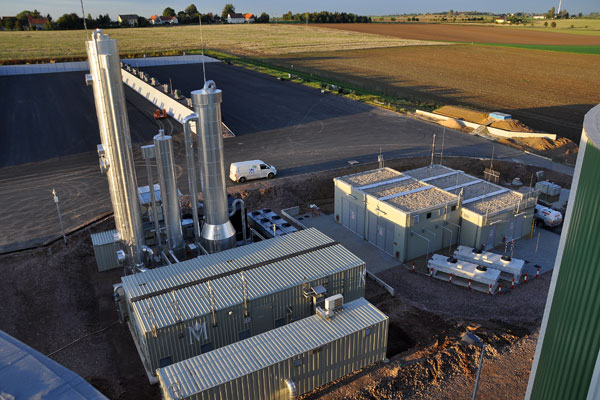
British Prime Minister opens world's largest wind farm

Prime Minister David Cameron at the London Array launch
David Cameron called the London Array  "a big win for is renewable energy" because it shows that we can "have renewable energy projects at scale... right here in Britain".
Yesterday saw the launch by Prime Minister David Cameron of the world’s largest offshore wind power plant, the London Array, located in the Thames estuary, approximately 20 kilometres off the Kent and Essex coast.

Owned, developed and built by a consortium consisting of Dong Energy, E.ON and Masdar (Abu Dhabi’s state backed renewable energy company), it has a total capacity of 630 megawatts (MW) and will generate enough power to supply 500,000 British households with clean electricity.

It is estimated to reduce annual CO2 emissions by approximately 900,000 tons, equivalent to the emissions of 300,000 passenger cars. Construction involved over 75 organisations and 6,700 people.

The London Array consists of 175 wind turbines supplied by Siemens, who also made the grid connection. Dong Energy and Siemens will be responsible for the service of the wind turbines through a long-term agreement.

DECC said that companies from all over the UK had benefited, "with construction supplies ranging from cable manufacturing in Yorkshire to boats from Brightlingsea to wind towers from Scotland".

Speaking at the launch, the Prime Minister used the occasion to back wind power and overseas investment in Britain, calling it "a triple win".

“First of all it’s a huge win for Kent. This project has been built by some of the bravest seaman, some of the most talented engineers, some of the hardest workers, and it’s going to continue to bring benefits to people in Kent for many, many years to come," he said.

He added that it's certainly "a big win for is renewable energy" because it shows that we can "have renewable energy projects at scale... right here in Britain".

Thirdly, he said it proved that Britain can "do big projects", citing also "a superb Olympics", Crossrail, "the biggest construction project in Europe", London Gateway, "the biggest port construction taking place in Europe", and "here you have the biggest offshore construction anywhere in the world. I think this demonstrates Britain is a great place to invest,” he concluded.

Energy Secretary Ed Davey called it “a bulk generator of power feeding into the diverse mix on our grid. It’s attracted billions of inward investment into our economy".

He added that the reforms outlined in the Energy Bill are intended to make sure that more projects like this come about.

Other massive projects (a total of 15 GW) are already in the pipeline, such as Teesside, Gwynt y Mor off the coast of North Wales and West Of Duddon Sands off the north west coast of England.

At Gunfleet Sands, off the Essex coast, the next generation of even more powerful offshore turbines is being tested in the water for the first time anywhere in the world.

At the end of March, the 75th and final turbine was installed at Lincolnshire's windfarm off the coast of Skegness, which has the capacity to power more than 200,000 homes.

Speaking at the opening, RenewableUK’s Chief Executive, Maria McCaffery, said: “The Prime Minister’s ringing endorsement of Britain’s offshore wind industry is a real boost for the entire renewable energy sector, which is a key growth area for the British economy.

“We’re about to witness a massive expansion in the number of people we employ in the wind industry onshore and offshore, from about 12,000 now to 76,000 by the dawn of the next decade, as long as Government remains supportive – today Mr Cameron has assured us that it will”.

The UK is expecting that offshore wind farms will help it reach its legally-binding targets to cut carbon emissions, with an aim of developing 18 gigawatts by 2020.

Thursday, July 04, 2013

Larger community renewable energy schemes to receive extra support

Energy and Climate Change Minister Greg Barker
Energy and Climate Change Minister Greg Barker said: "The expansion of our reformed Feed-in Tariff will encourage even more communities to get on board.”

New proposals to benefit community energy schemes have been unveiled by the Government.

In its response to feedback from community groups on the type of financial incentive that works best for them, the Department for Energy and Climate Change (DECC) has said it will increase the generation threshold under which community projects are eligible for feed-in tariffs (FITs) to enable larger projects to benefit.

Support for community renewable projects over 5MW is currently available under the Renewables Obligation (RO). But this pays a lower amount per kilowatt-hour than that available under FITs.

The reforms, to be written into the Energy Bill and underpinned by secondary legislation, will permit community schemes up to 10MW in size to continue to benefit from the levels of support available to those below 5MW.

Projects such as solar PV on school roofs or panels on libraries, community owned wind turbines and hydro power from local streams could all benefit under the proposed new rules.

There is also money on offer to pay for excess power exported back to the grid.

Energy and Climate Change Minister Greg Barker said: "The Coalition is determined to drive a step change in the deployment of community energy.

"We want to help consumers, businesses and communities generate more of their own clean, green electricity locally, becoming less reliant on centralised power generation. The expansion of our reformed Feed-in Tariff will encourage even more communities to get on board.”

The announcement comes on top of the launch last week of a £15 million Renewable Community Energy Fund to help community groups with the cost of feasibility studies and seeking planning permission.

DECC is also keen to explore what needs to be done to kickstart even more projects across the UK, with a call for evidence currently underway and the UK’s first community energy strategy to be launched in the Autumn.

The call for evidence wants to hear about the potential benefits of community energy, the barriers to community energy, and what might be innovative and new approaches.

The proposed changes to the FITs rules will be made as part of the Energy Bill process. Once this Bill comes into force, the Government will consult on what it will mean in practice for community schemes.

The Solar Trade Association welcomed the proposals. Its chief executive, Paul Barwell, said: “Community solar farms on lower grade agricultural land help farmers diversify their risk away from increased weather risks to their land, while at the same time fostering dual purpose land use and biodiversity. Community ownership will help secure better community acceptance for more ambitious solar farms over the existing 5MW threshold.”

However, the STA  believes that there is still an issue which needs clarifying that is preventing many community schemes from getting off the ground.

Currently all solar schemes over 50kW (the size of e.g. a school scheme) are subject to very stringent capacity constraints. For example, in any quarter, if more than 200MW of capacity of 50kW+schemes is installed, this will result in a 28% cut in all the tariffs from 50kW through to 5MW.

Furthermore, for schemes over 250kW (larger commercial or community schemes), the FIT is too low to work, leading to just a handful of projects at this size since last July. This is despite schemes over 250kW being more cost effective than many large-scale renewables supported under the Renewables Obligation (RO).

STA Head of External Affairs, Leonie Greene, said: “Solar is being unfairly constrained. It is this 'normal' mid-size of solar, dominant in markets overseas, that needs urgent attention.”

The STA is currently finalising its best practice guidance for high standards in solar farm construction, which recommend avoiding prime grade agricultural land, and provide a set of criteria which developers, builders and land tenants can use to ensure best practice.